Understanding Your Phobia: A Personal Guide

Selina Vogt
Psychologist
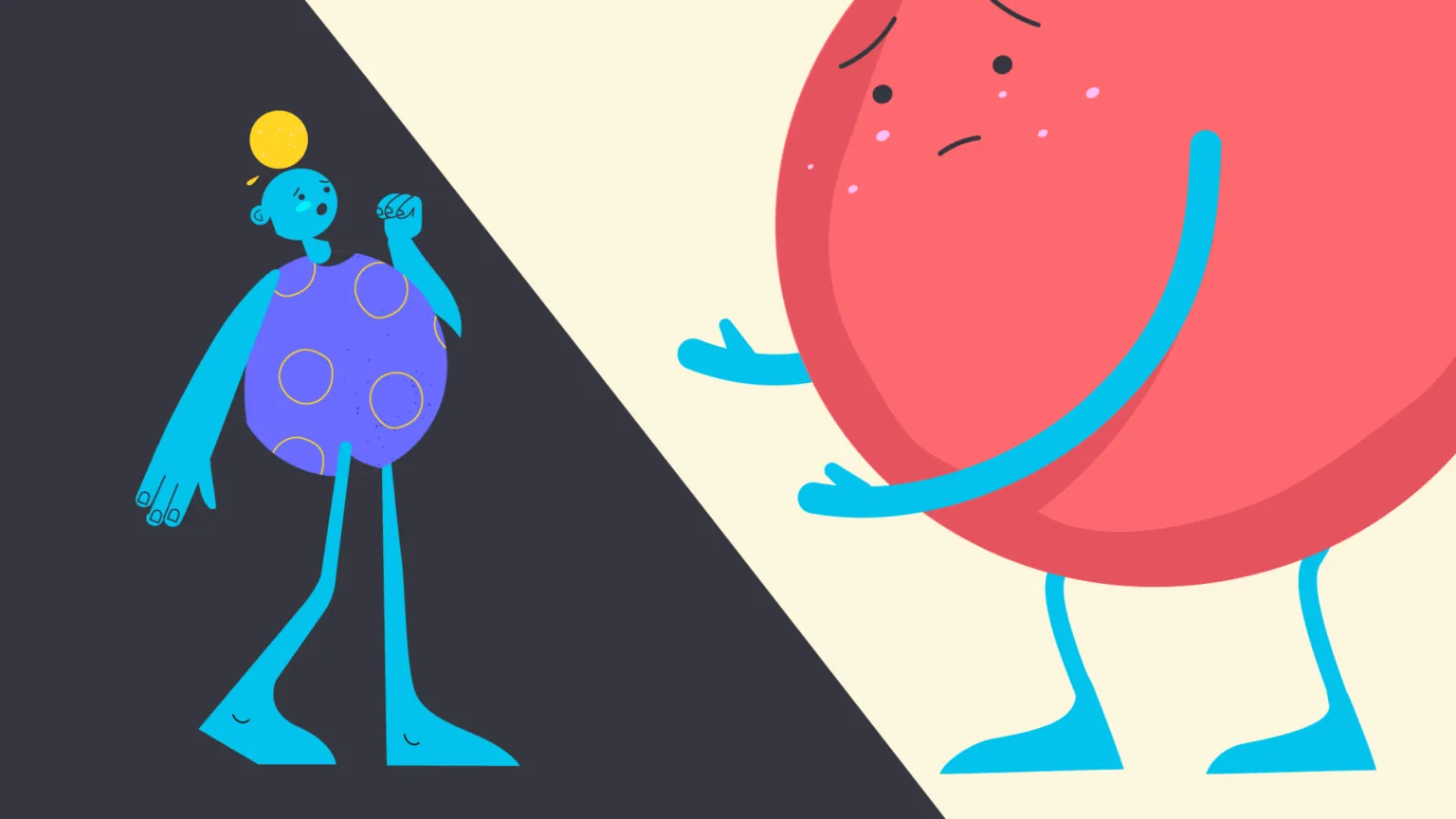
Imagine having such an intense fear of a specific thing or situation that is so deeply rooted in you that it influences your daily life. That is exactly what a phobia is. It's a persistent, often illogical fear of specific things, situations, living beings, or objects. What's special about a phobia is that even knowing that other people see these as harmless probably won't help you reduce your anxiety. Instead, you develop a fear of the fear.
The Vicious Cycle of Phobia
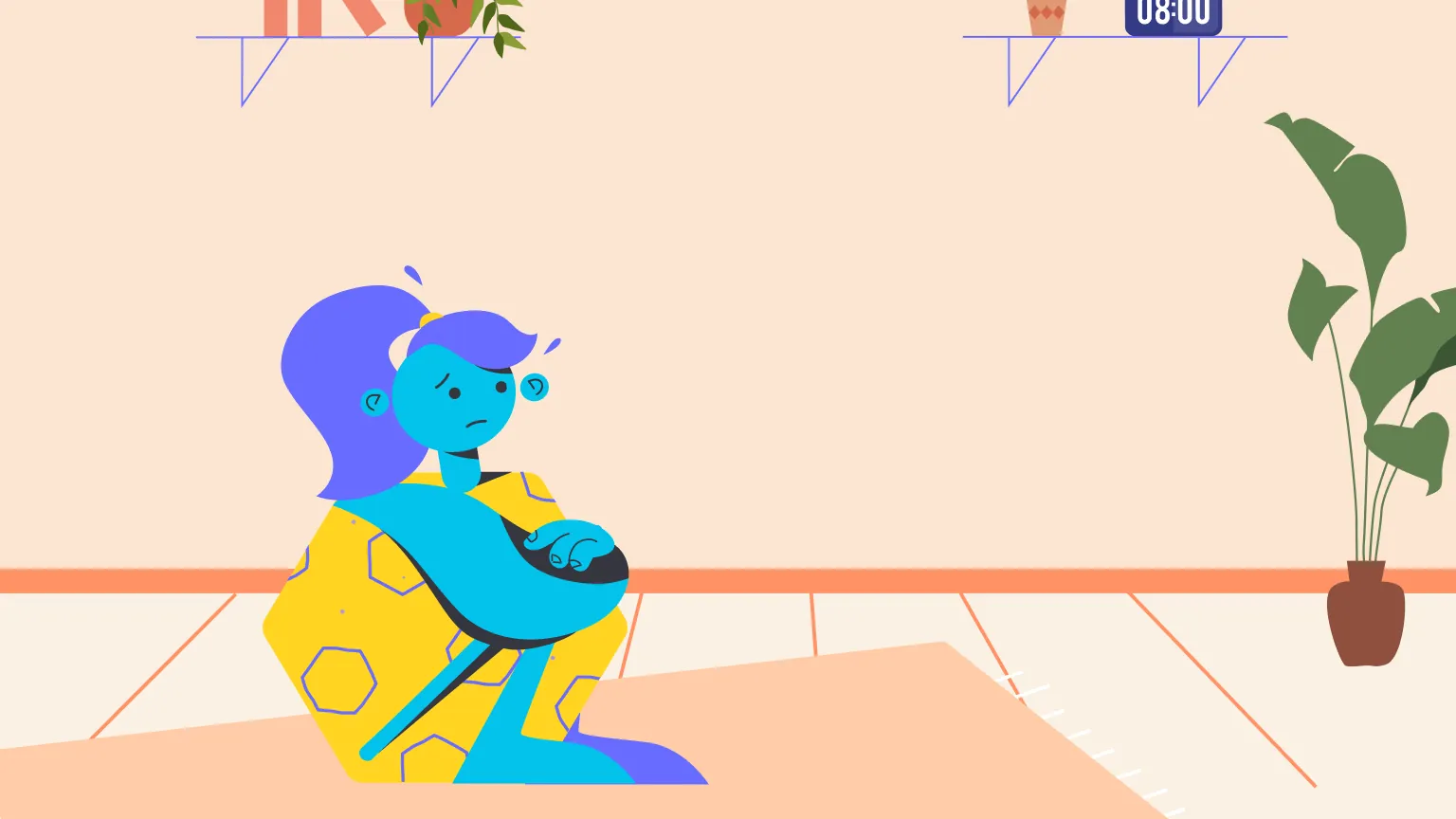
Have you ever noticed that just the thought of something you fear can trigger anxiety? This fear of fear often leads you to try by all means to avoid this anxiety-laden situation or object. Unfortunately, this very avoidance reinforces your phobia. This quickly creates a cycle that is difficult to break out of.
Phobia as a Disorder: More Than Just Fears
Phobic disorders belong to anxiety disorders. The phobia, or fear of something, is triggered by clearly defined, actually harmless situations. Perhaps you know this: you avoid certain situations or endure them only with great fear. Symptoms like heart palpitations or a feeling of weakness can occur, often accompanied by fear of dying, loss of control, or the feeling of going insane. Not infrequently, this anxiety occurs together with depression. Panic attacks are also possible. For tips on panic attacks, it's best to read our articles "What to Do About Panic Attacks" or "Reducing Anxiety and Panic Long-Term".
The Most Common Clinical Phobias
Agoraphobia: The Fear of Open and Enclosed Spaces, Crowds, and Public Transportation
Are you afraid to leave the house? Do you feel uncomfortable in crowds, on public squares, or in shops? Do you find it difficult to travel alone on public transportation, such as buses or trains? If so, agoraphobia may be behind it. Since most people avoid anxiety-triggering situations, they often don't notice their symptoms so clearly in everyday life – but the anxiety persists in the background.
Do you recognise yourself in the symptoms?
Take the Agoraphobia Self-Test Now
In just a few clicks, find out whether your symptoms point to agoraphobia or panic disorder. Based on official diagnostic criteria.
Start now
→

Specific Phobias: Fear of Very Concrete Things
These phobias are limited to very specific situations, such as proximity to certain animals, fear of heights, fear of thunder, darkness, flying, enclosed spaces, or specific actions such as using public toilets. Despite the narrow limitation of the situation, these phobias can trigger panic states like those in agoraphobia or social phobia.
Social Phobia: The Fear of Negative Evaluation in Social Contexts
Do you feel uncomfortable in social situations because you fear negative evaluation by others? This fear often leads to avoiding social situations. This is social phobia. Typical symptoms are blushing, trembling hands, nausea, or the urge to urinate. This extreme fear of social interaction can even trigger panic attacks. Low self-esteem and fear of criticism are often associated with it. Do you recognise yourself?
Social Phobia
Take the Self-Test Now
Test whether your symptoms point to social phobia: based on official diagnostic criteria, free and without obligation.
Start now
→

Conclusion
Phobias are complex and often more than a simple fear. They influence the decisions you make, where you go, and how freely you move through everyday life. That deserves to be taken seriously.
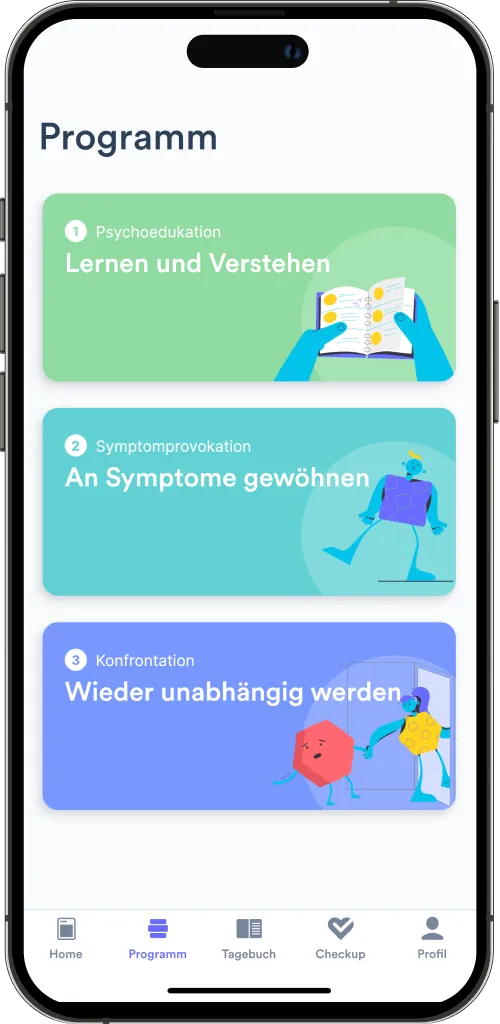
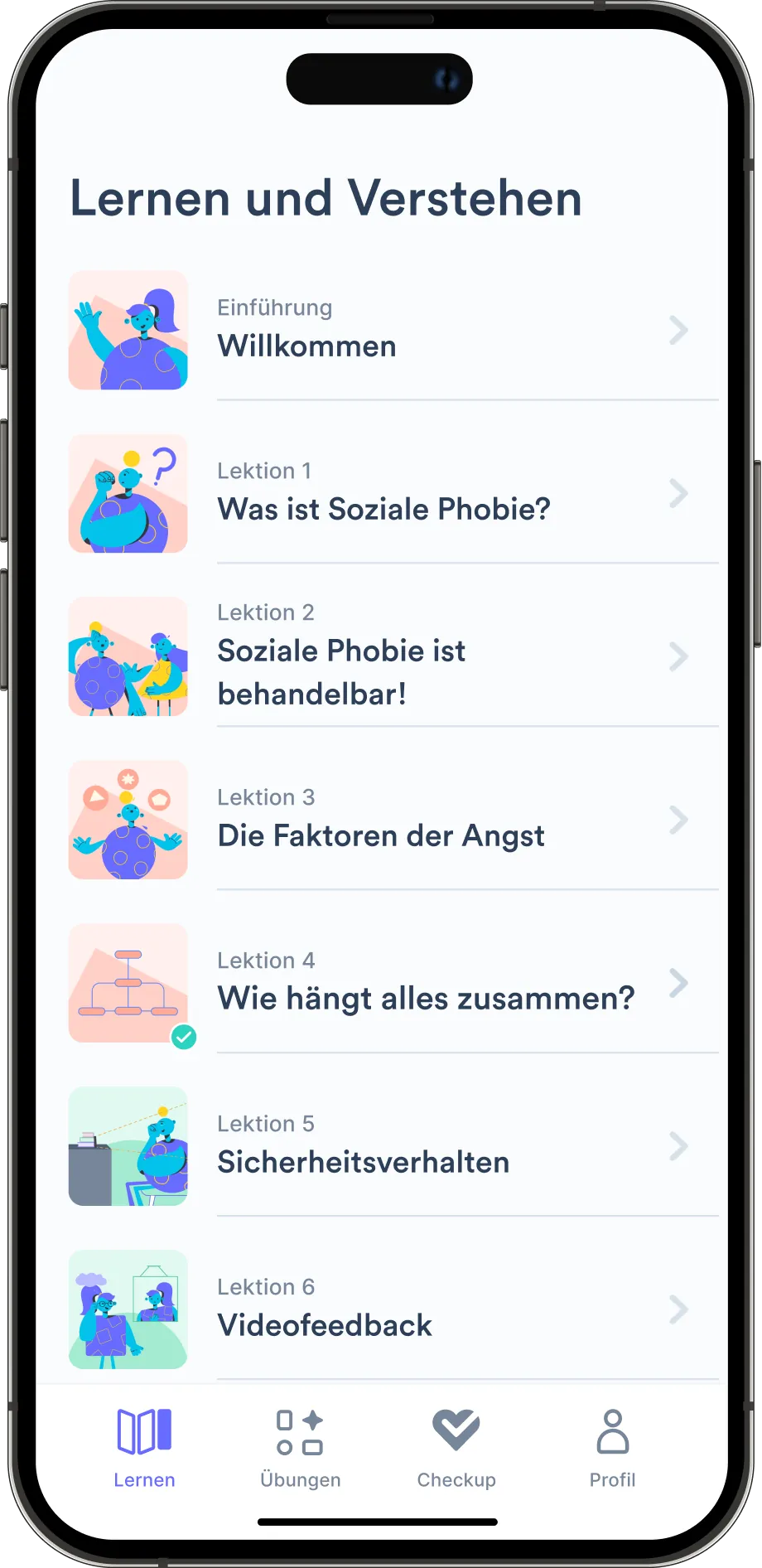
If you notice that anxiety is limiting your daily life, there are various ways to get support today – including digital ones. For example, Mindable Health's digital therapy programmes have been specifically developed for people with panic disorder, agoraphobia, and social phobia, and accompany you step by step, whenever and wherever you want.
Mindable Health
Digital Help for Anxiety Disorders
Scientifically grounded, flexible for everyday use, and available free on prescription. Mindable's therapy programmes help to overcome anxiety in the long term.
Learn more
→
Note: This article is for informational purposes only and does not replace medical advice.