The Bias Trap: How Thinking Patterns Reinforce Social Phobia

Linda Weber
Psychologist
Cognitive distortions are mental shortcuts that significantly influence our thinking. While often useful, they are not always logical. These thought patterns help us think quickly and evaluate situations efficiently. However, if you suffer from social phobia, these cognitive distortions can become a spiral of thoughts that intensify your fears and undermine your self-confidence.
The "Bored Person" Trap
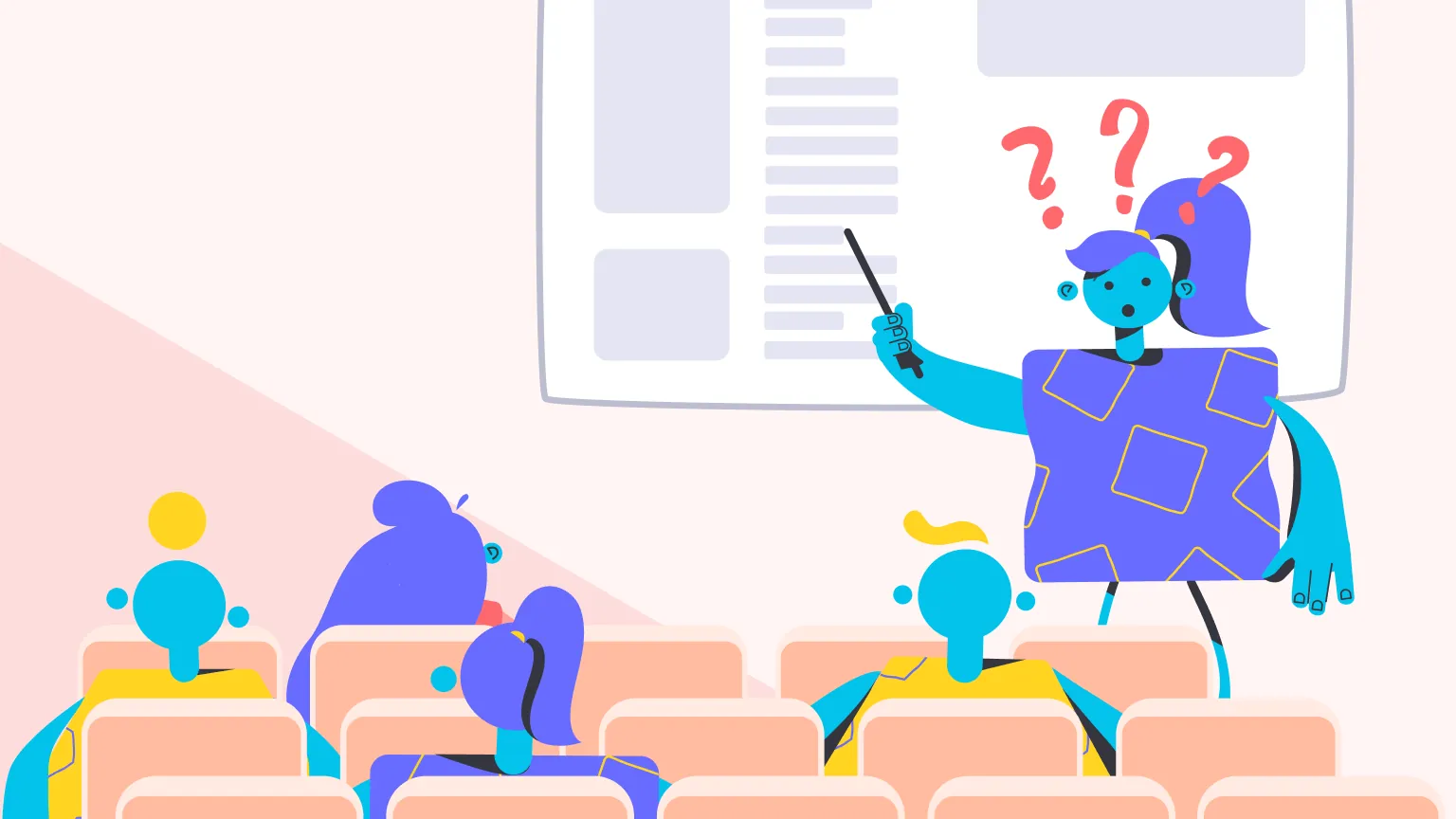
Imagine this situation: You are standing in front of a group of people giving a presentation. During your speech, you notice that someone in the audience looks bored. Instantly, your thoughts jump to the conclusion that your entire presentation is bad and that no one is interested. In doing so, you overlook that the majority of the audience is responding positively or neutrally to your presentation.
This example is a classic sign of a cognitive distortion often occurring in social phobia. Focusing on negative signals reinforces your fears and insecurities associated with social phobia. But don’t worry–there are ways to address these thinking errors.
Recognizing and Correcting Thinking Errors
The first step in dealing with cognitive distortions is understanding that they exist and how they influence your thinking. You tend to react automatically to your assumptions and beliefs without questioning them. The key is to analyze your thoughts and view them from different perspectives. This allows you to consider counterarguments and correct your thought patterns.
Use the Opinions of Others
A valuable way to overcome cognitive distortions is by exchanging views with other people. The opinions and perspectives of others can help you recognize your "blind spots" in thinking. Trust the feedback of friends, colleagues, or therapists to gain a more objective view of your thought patterns. How to approach such a shift in perspective is something we show you in the attention exercises of the Mindable app.
Conclusion
Cognitive distortions can become a significant burden in social phobia. However, by recognizing and correcting your thinking errors, you can take a step toward healthier thinking and reduced anxiety. Remember that you are not alone, and seek professional help if your social phobia affects your life. Overcoming cognitive distortions is an important step toward a more confident and fulfilling life.
Are you unsure if you have social phobia? Take the self-test on our website.